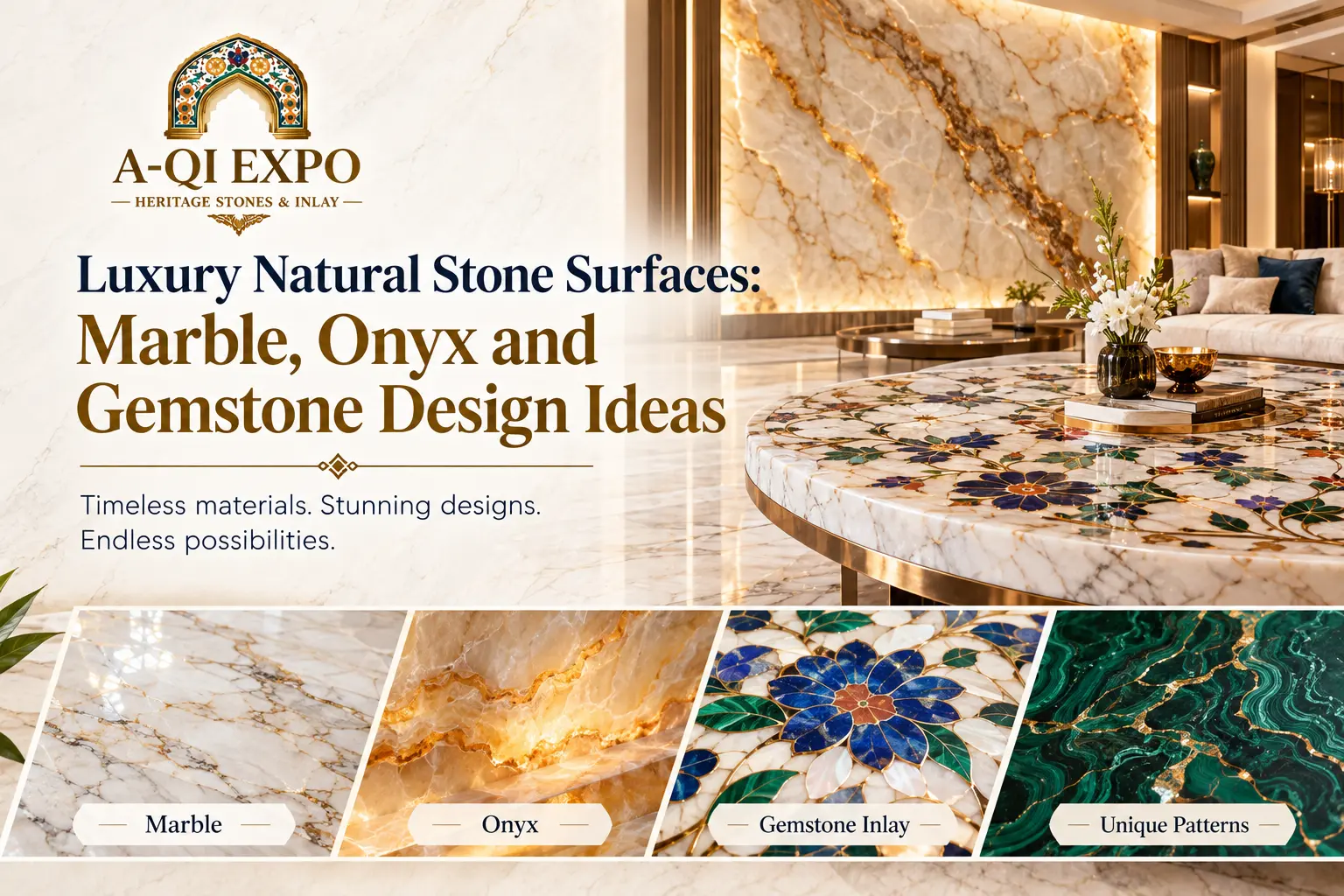
Natural stone has a special place in luxury interior design because every slab has its own colour, texture, and pattern. From the soft veining of marble to the rich colours of onyx and the glowing beauty of gemstones, these materials can add character to residential and commercial spaces.
Today, architects and interior designers use luxury natural stone surfaces for more than flooring and countertops. They are also used for feature walls, decorative panels, furniture, reception areas, and custom architectural details.
The right stone can become the main design feature of a room without requiring too many additional decorations.
Understanding the differences between marble, onyx, and gemstone surfaces can help you choose the right material for your project.
1. Marble Surfaces for Timeless Interior Design
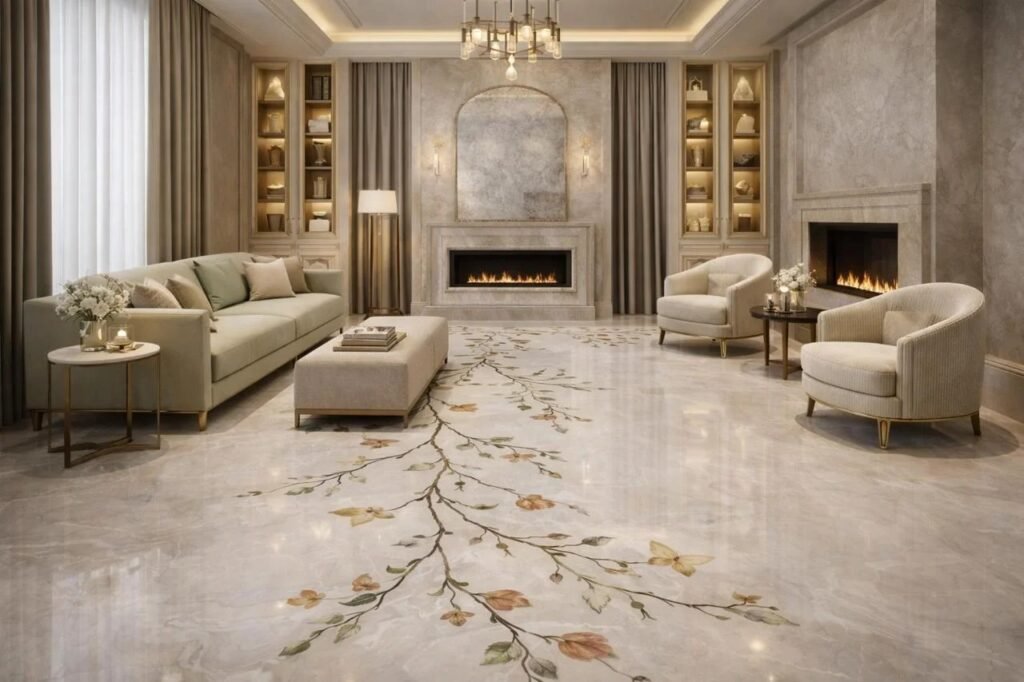
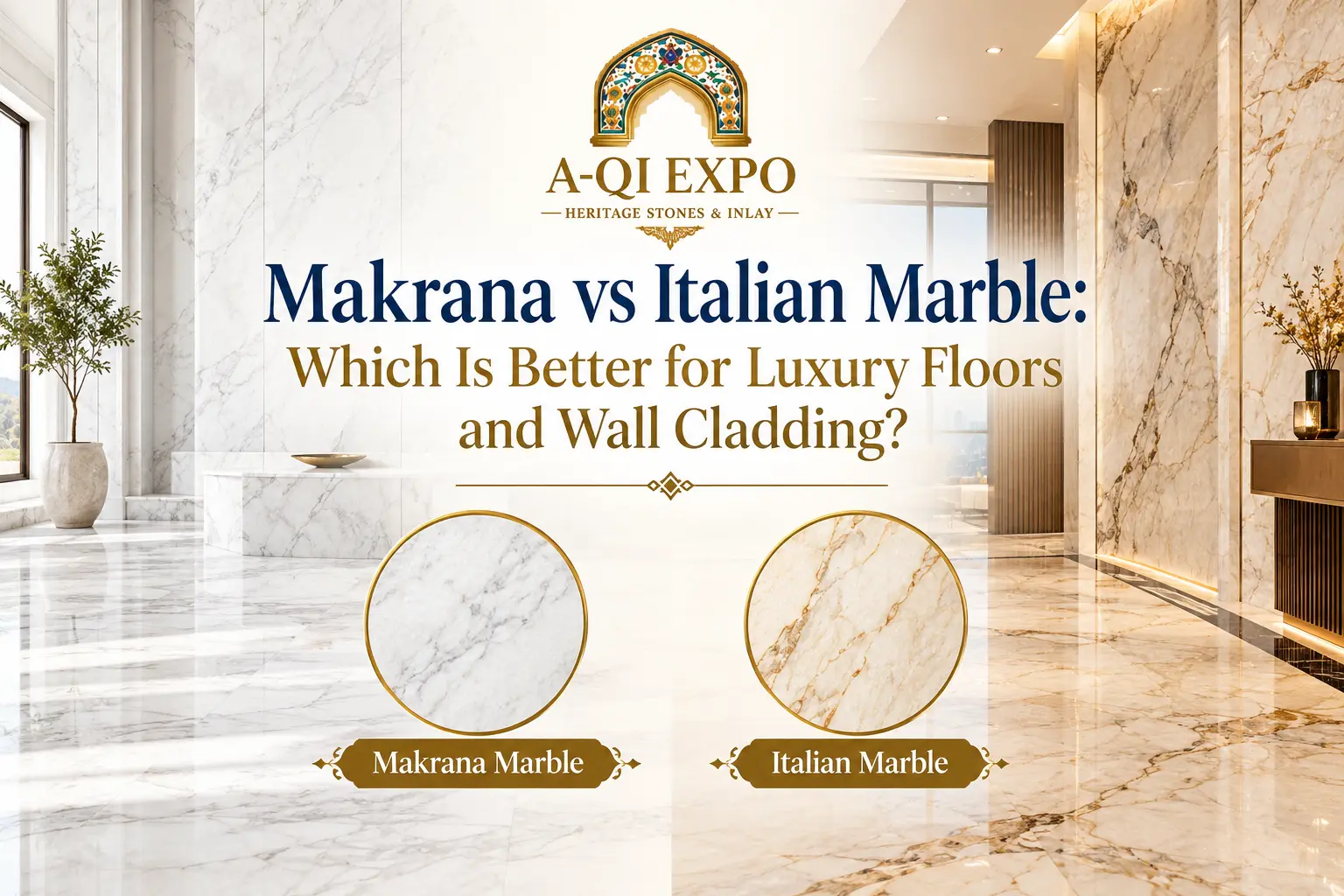
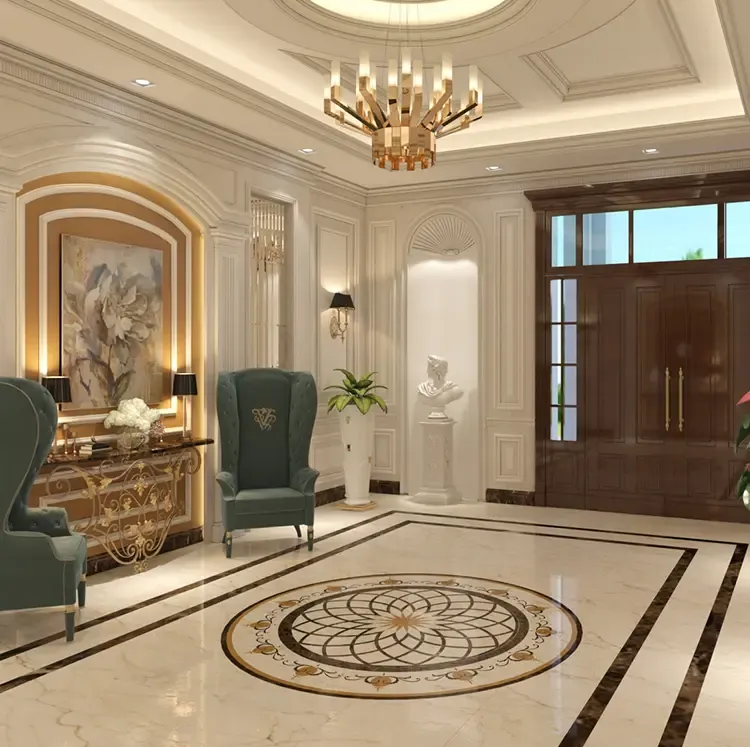
Marble remains a popular choice for luxury homes, hotels, villas, and commercial interiors. Its natural veining and range of colours make it suitable for both classic and modern designs.
White marble can create a bright, open appearance, while beige and grey varieties work well with neutral interiors. Green and other richly patterned marbles can add contrast to spaces that need a stronger visual feature.
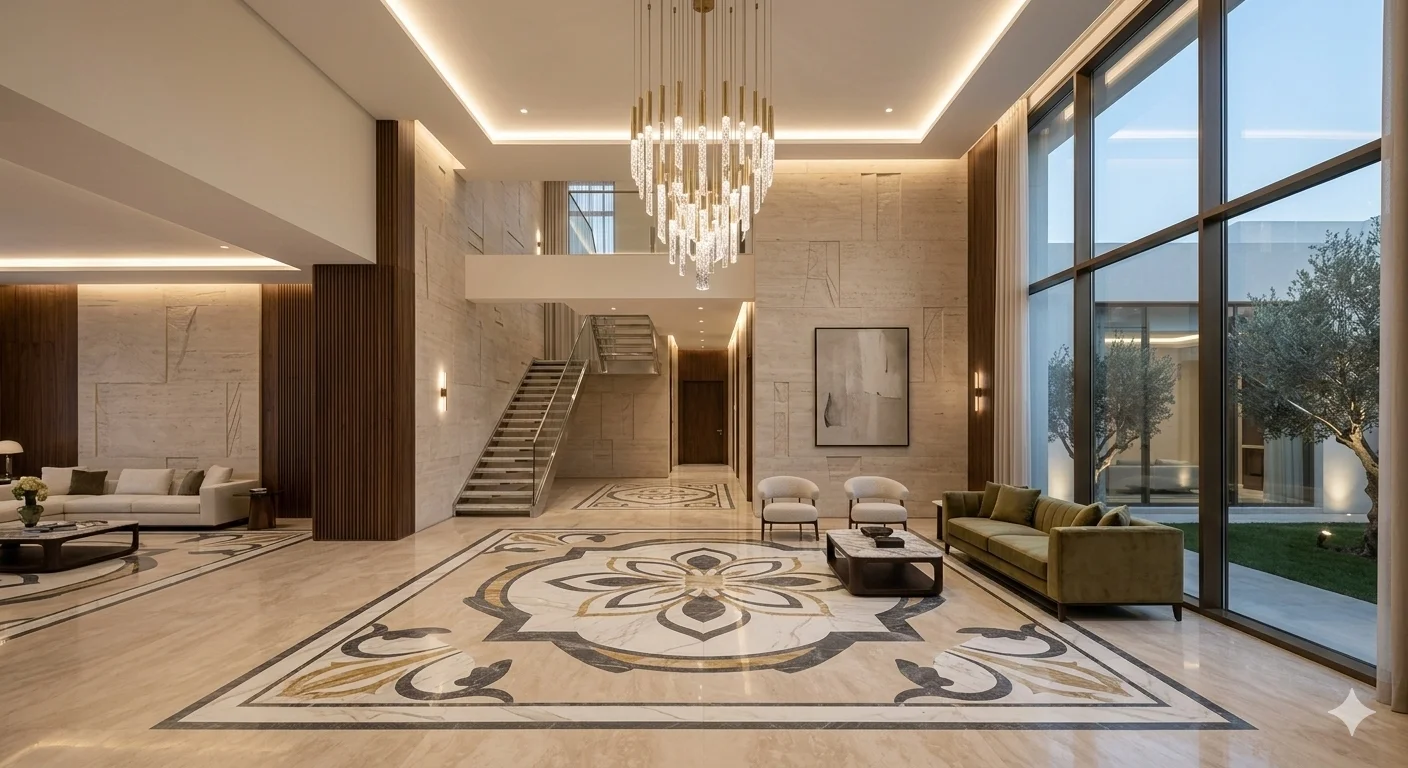
Marble can be used for flooring, staircases, wall cladding, bathroom vanities, and decorative furniture. For larger interiors, matching the stone pattern across adjoining surfaces can create a more connected look.
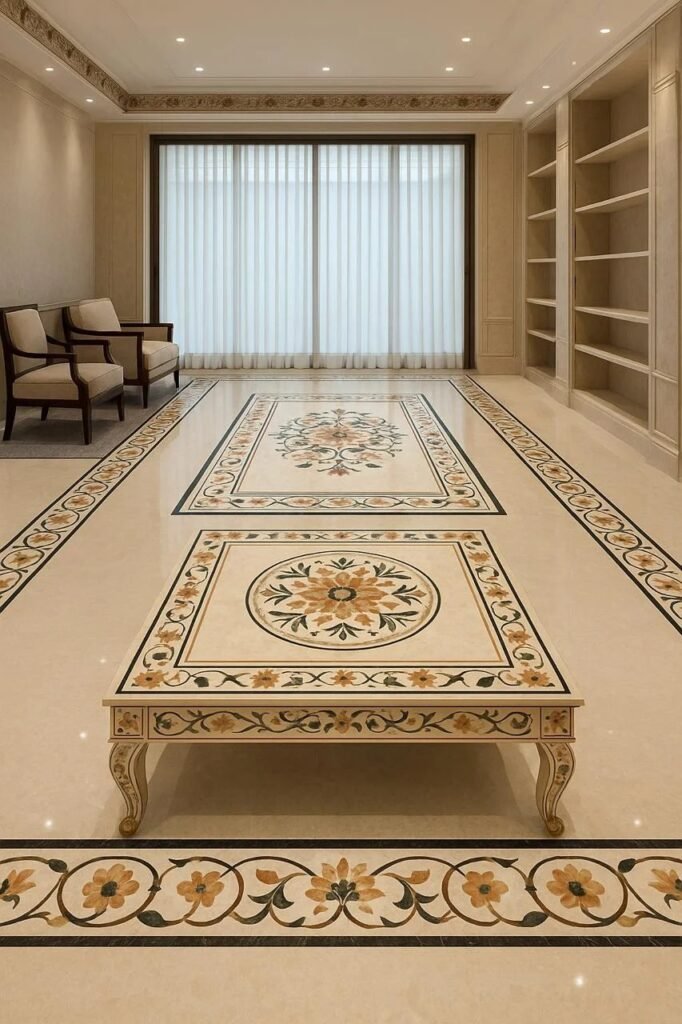
For projects that require detailed patterns, marble inlay flooring is another option. This technique combines carefully cut pieces of marble and other stones to form floral motifs, geometric patterns, borders, and decorative medallions.
Explore custom marble inlay designs for ideas that combine natural stone with skilled craftsmanship.
2. Onyx Stone for Statement Walls and Decorative Panels
Onyx is known for its distinctive colour variations, layered patterns, and translucent appearance in suitable varieties. These qualities make it an interesting choice for interiors where the stone needs to stand out.
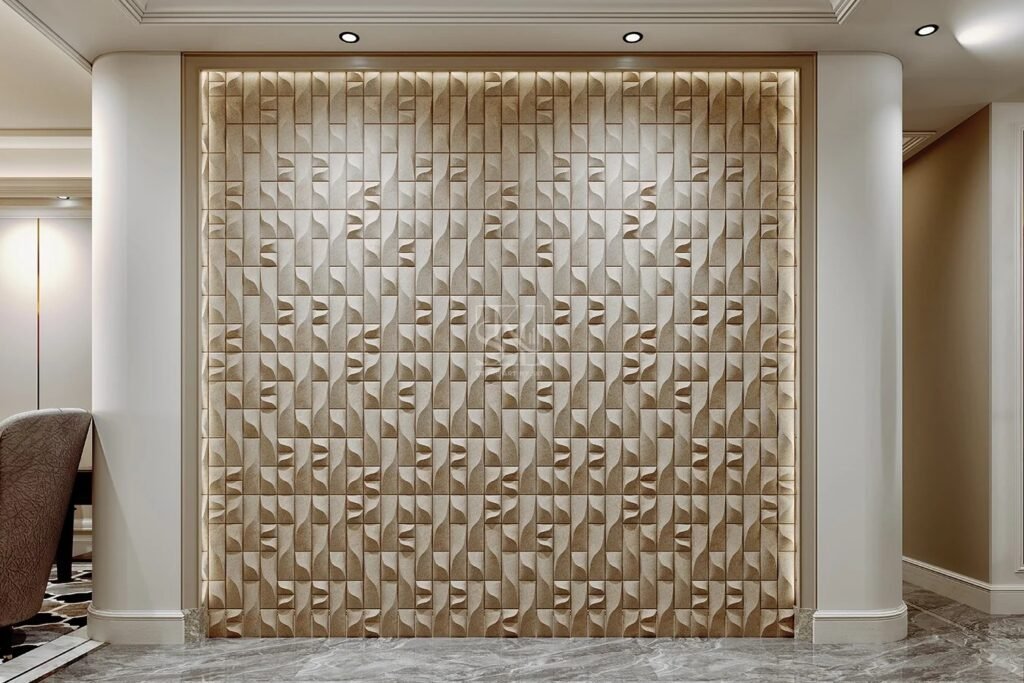
One popular application is an onyx feature wall in a living room, hotel lobby, reception area, or lounge. Instead of covering every wall with decorative materials, a single well-planned stone surface can become the focal point.
Selected onyx varieties can also be backlit. Carefully designed lighting highlights the stone’s natural patterns and creates a warm visual effect. However, the final result depends on the stone’s translucency, thickness, lighting system, and installation method.
When choosing onyx, review the complete slab rather than relying only on a small sample. Natural patterns can vary considerably, and the arrangement of the veins can affect the finished design.
For more inspiration, see these luxury onyx panel designs.
3. Gemstone Panels for Unique Lighting Effects
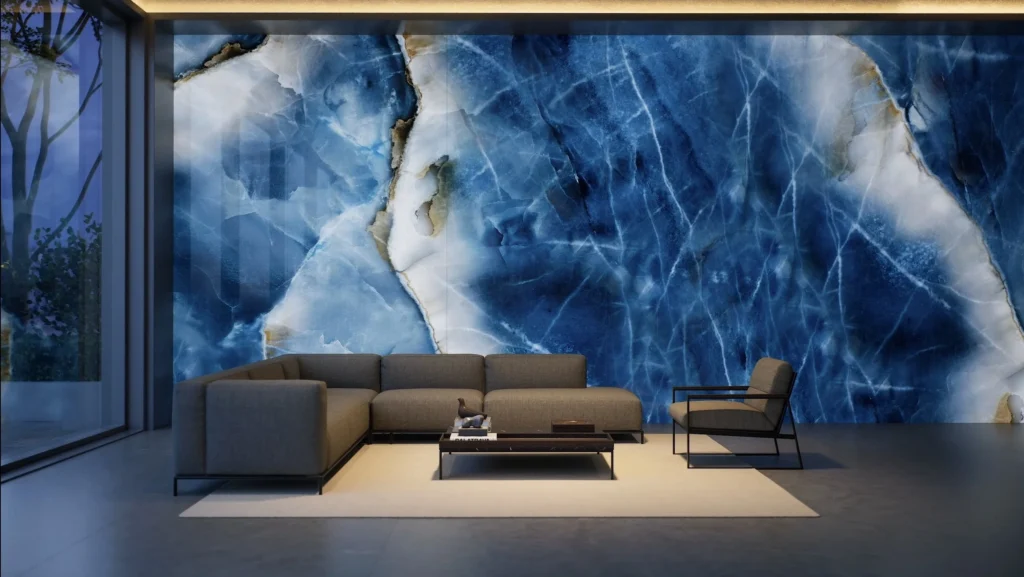
Gemstone surfaces offer another way to introduce colour and texture into luxury interiors. Materials such as agate, quartz, and selected semi-precious stones can be used in decorative panels and architectural features.
Backlit gemstone panels are particularly suitable for spaces where lighting plays an important design role. They can be considered for reception desks, bar fronts, feature walls, and selected hospitality interiors.
Blue agate can introduce cool tones, while other gemstone varieties offer earthy, golden, green, or contrasting colours. The choice depends on the surrounding furniture, wall colours, and overall design scheme.
These panels need careful planning because the stone, backing, lighting, and installation must work together. Before finalising a design, ask about the material’s light transmission, maintenance requirements, and suitability for the intended application.
4. Combine Different Natural Stones Thoughtfully
Using marble, onyx, and gemstones in the same interior can create an interesting design, but balance is important. Too many competing patterns and colours may make a space feel crowded.
One practical approach is to choose a primary material and use the others for selected details.
For example, neutral marble flooring can be paired with a gemstone feature panel, while an onyx wall can be complemented by simpler stone surfaces and understated furniture.
Natural stone combinations work well when their colours, finishes, and patterns complement each other. Matte surfaces can create a softer appearance, while polished stone reflects more light.
Designers should also consider the size of the room. Large, dramatic patterns may suit spacious living areas and hotel lobbies, whereas smaller spaces often benefit from lighter colours and carefully placed decorative elements.
5. Use Natural Stone for Luxury Furniture and Tables
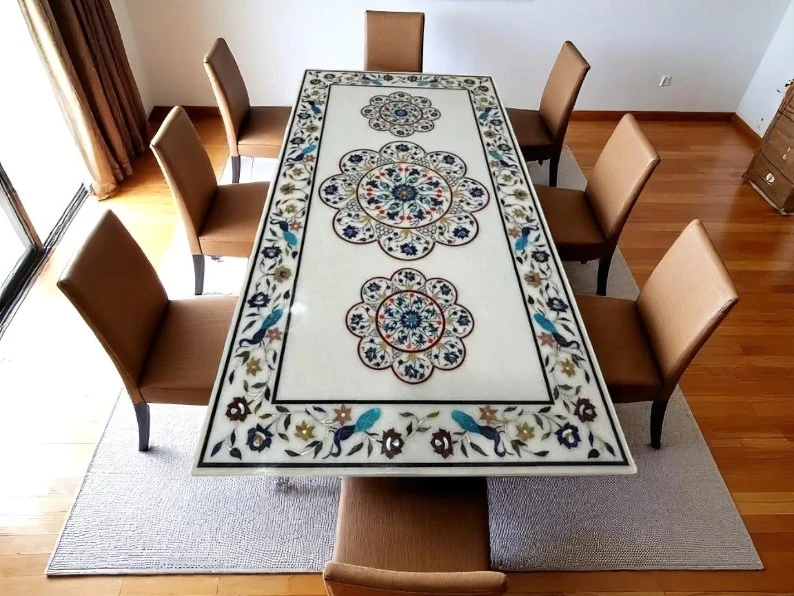
Natural stone is not limited to walls and floors. It can also be used to create dining tables, coffee tables, console tables, and reception furniture.
A marble tabletop can add a clean, refined appearance, while a richly patterned stone can become the main feature of a room. Onyx and selected gemstones can be used for decorative furniture elements where their colours and patterns remain visible.
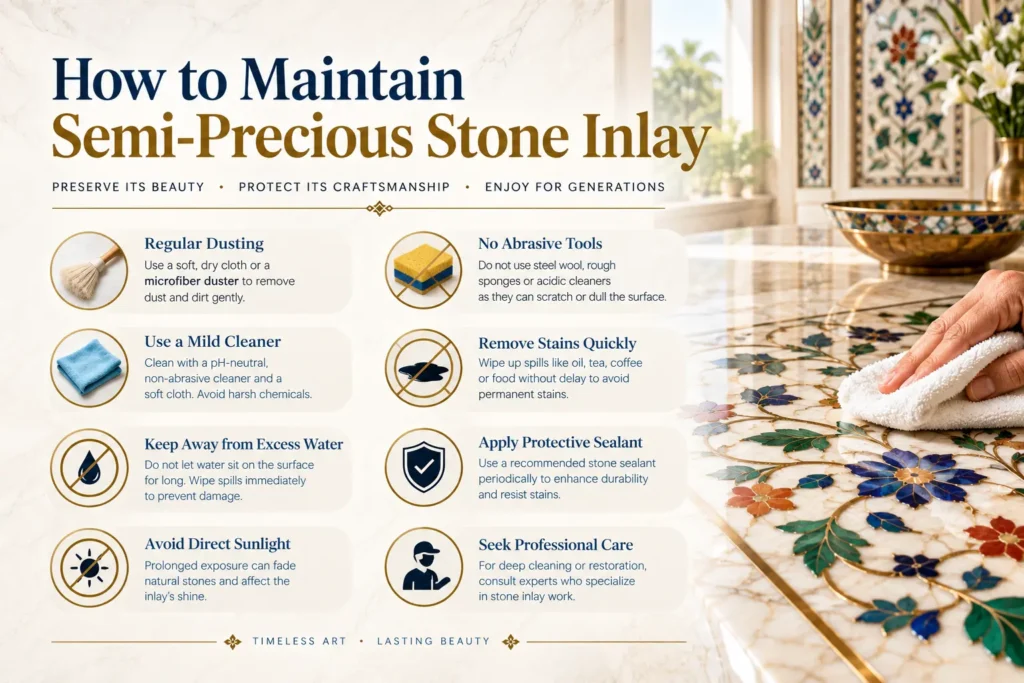
When choosing stone furniture, consider the weight, dimensions, edge finishing, support structure, and intended use. Marble and onyx can be sensitive to acidic substances, while certain finishes require more care than others.
For dining and coffee tables, ask about sealing, cleaning methods, and protection against stains and scratches. The right material and proper maintenance can help preserve the surface’s appearance.
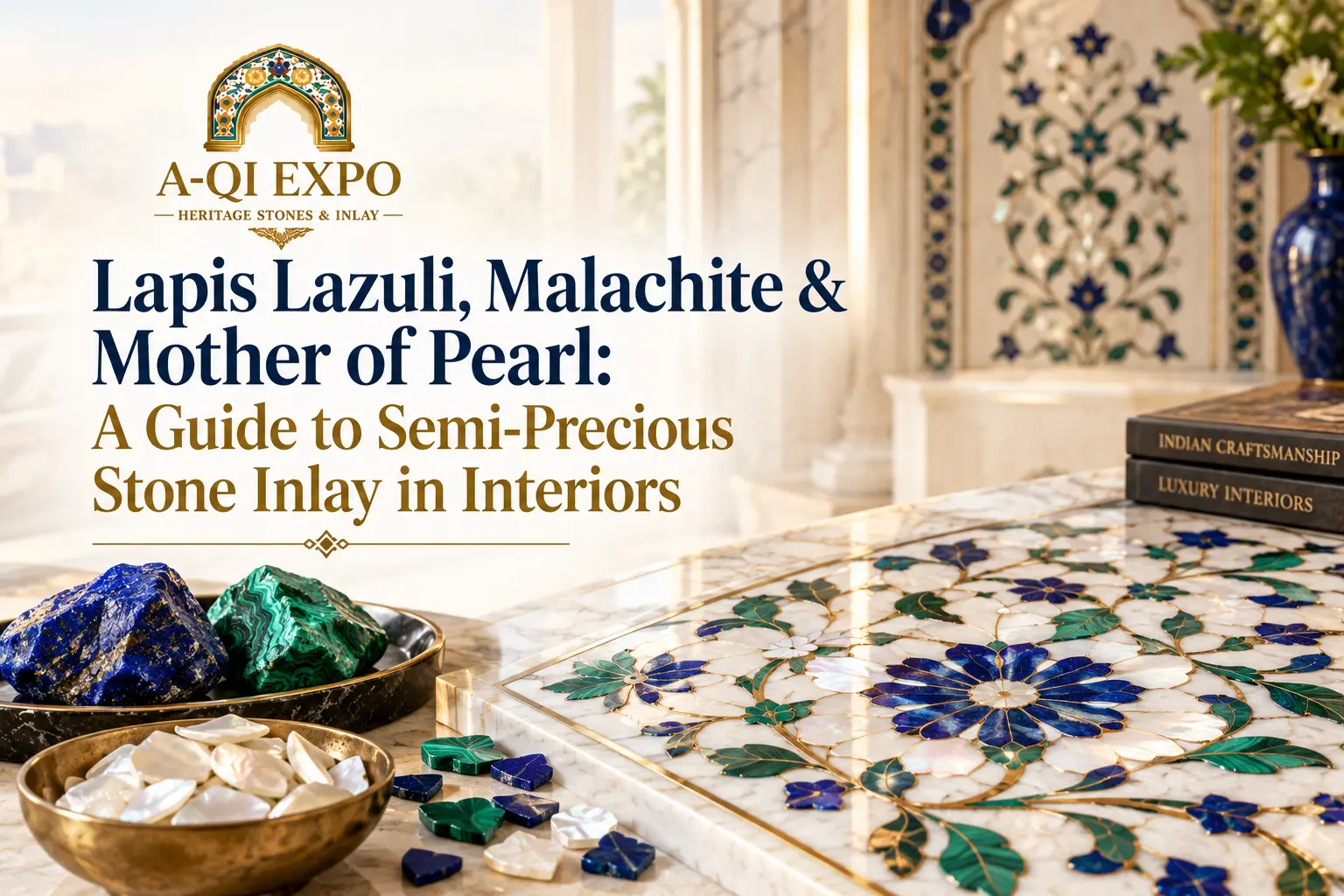
6. Marble Inlay and Mother of Pearl for Decorative Details

For interiors that need more intricate detailing, marble inlay and mother of pearl can add a different visual character.
Marble inlay uses precisely shaped pieces of stone fitted into a base material to create detailed patterns. It is suitable for decorative flooring, wall panels, medallions, and bespoke furniture.
Mother of pearl has a natural iridescent finish that reflects light differently as the viewing angle changes. It can be incorporated into decorative panels, furniture surfaces, and selected interior accents.
These materials work best when their patterns and finishes complement the surrounding stone rather than compete with it.
Explore mother of pearl inlay designs for ideas that combine shell fragments with stone and decorative surfaces.
7. How to Choose the Right Luxury Natural Stone
Before selecting a material, consider where it will be installed, how frequently the surface will be used, and the visual effect you want to achieve.
Keep these points in mind:
- Purpose: Choose stone according to whether it will be used for flooring, walls, furniture, or decorative panels.
- Appearance: Review the colour, veining, texture, and natural variation of the actual slab.
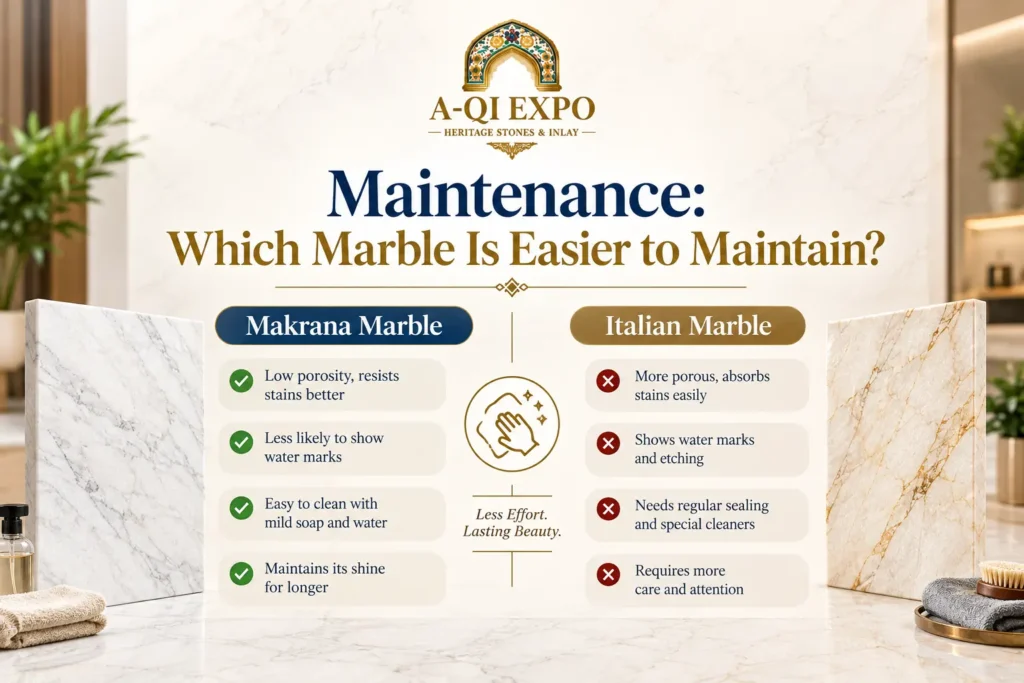
- Durability: Consider expected wear, moisture exposure, staining, and the maintenance required.
- Lighting: Check how natural and artificial light affect the stone’s colour and appearance.
- Installation: Confirm the stone’s weight, thickness, support requirements, and suitability for the application.
- Maintenance: Ask about suitable cleaning products, sealing, and long-term care.
For large projects, reviewing the actual slabs and approving the design before fabrication can help prevent unwanted differences in the finished installation.
Why Consider AQJ EXPO for Natural Stone Design?
AQJ EXPO works with natural stone, decorative inlay, architectural panels, and gemstone surfaces for residential, hospitality, and commercial applications. Its collections include bespoke inlay flooring, designer stone surfaces, architectural mosaic panels, and backlit gemstone panels.
Architects, interior designers, and project buyers can review its natural stone collectionsto find ideas for decorative surfaces and custom architectural applications.
The right choice depends on the project’s design, material requirements, dimensions, finishing, and installation conditions. Discussing these details before production can help ensure that the selected surface suits the intended space.
Conclusion
Luxury natural stone surfaces offer many possibilities for creating distinctive interiors. Marble provides a timeless foundation, onyx can add depth and visual interest, and gemstone panels can introduce colour and lighting effects.
Marble inlay and mother of pearl offer further options for detailed decorative work.
Rather than using every material throughout a space, focus on selecting stones that complement the architecture and intended use of the room.
With thoughtful material selection, suitable installation, and regular maintenance, natural stone can remain an important part of an interior for years to come.
Frequently Asked Questions
1. Which natural stones are popular for luxury interior design?
Marble, onyx, granite, quartzite, and selected semi-precious stones are used in luxury interiors. The best option depends on the application, appearance, durability, and maintenance requirements.
2. Where can onyx stone be used in interiors?
Onyx can be used for feature walls, decorative panels, reception areas, furniture, and selected backlit installations. Its suitability depends on the specific variety and installation conditions.
3. What are backlit gemstone panels?
Backlit gemstone panels combine suitable translucent stone with a lighting system behind the surface. They are used to create illuminated decorative features in residential and commercial interiors.
4. Is marble inlay suitable for modern homes?
Yes. Marble inlay can be designed with contemporary geometric patterns, subtle borders, or custom motifs for flooring, wall panels, and furniture.
5. How should luxury natural stone surfaces be maintained?
Use cleaning products suitable for the specific stone, wipe spills promptly, and avoid acidic cleaners on acid-sensitive materials such as marble and onyx. Follow the supplier’s advice on sealing and maintenance.