Category: Marble

  • Luxury Natural Stone Surfaces: Marble, Onyx and Gemstone Design Ideas

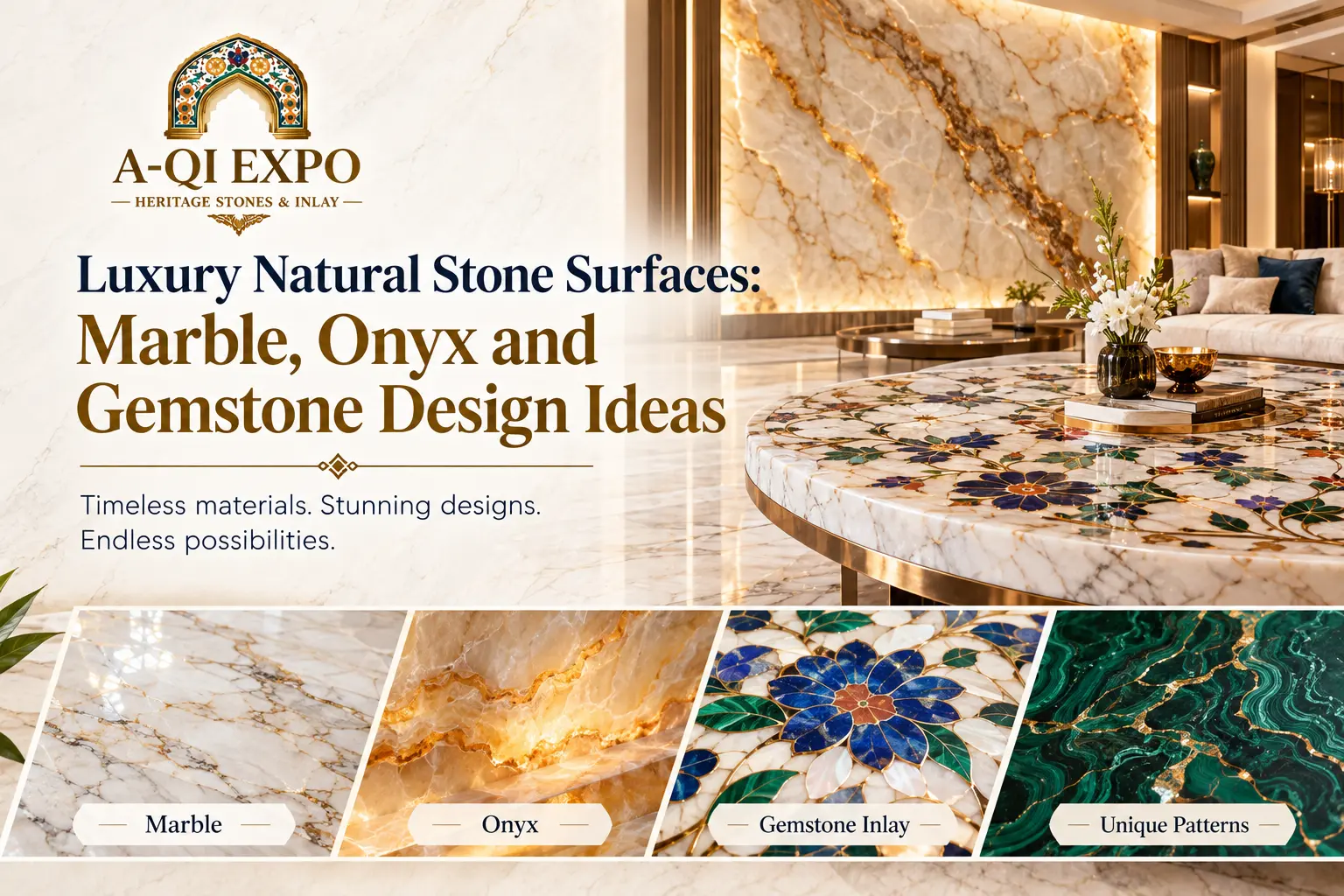
    Luxury Natural Stone Surfaces: Marble, Onyx and Gemstone Design Ideas

    Natural stone has a special place in luxury interior design because every slab has its own colour, texture, and pattern. From the soft veining of marble to the rich colours of onyx and the glowing beauty of gemstones, these materials can add character to residential and commercial spaces.

    Today, architects and interior designers use luxury natural stone surfaces for more than flooring and countertops. They are also used for feature walls, decorative panels, furniture, reception areas, and custom architectural details.

    The right stone can become the main design feature of a room without requiring too many additional decorations.

    Understanding the differences between marble, onyx, and gemstone surfaces can help you choose the right material for your project.

    1. Marble Surfaces for Timeless Interior Design
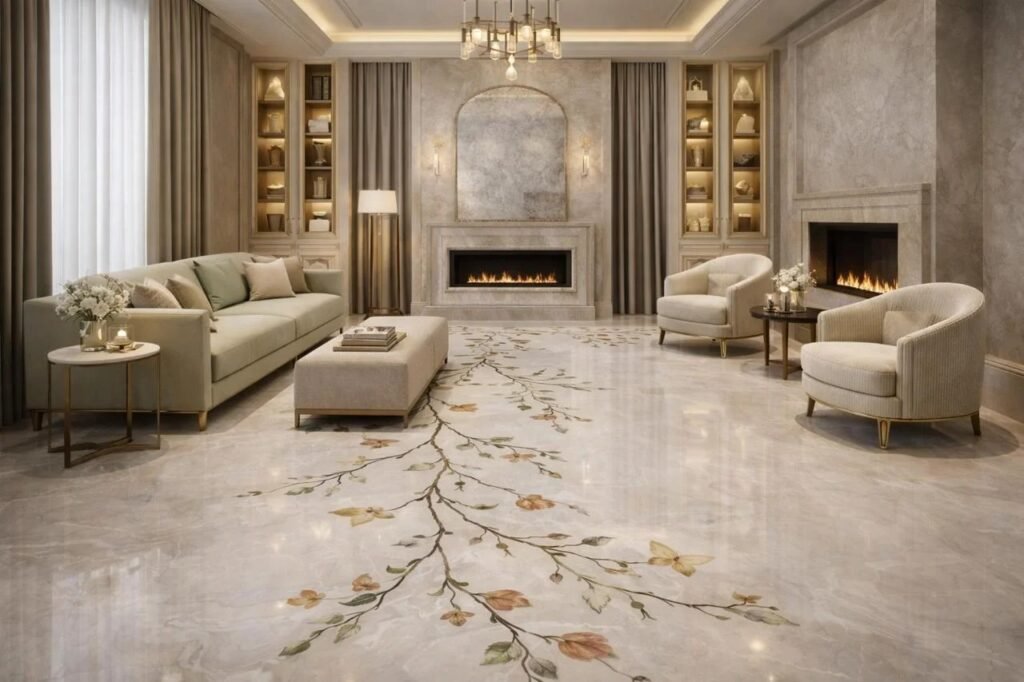
    Marble remains a popular choice for luxury homes, hotels, villas, and commercial interiors. Its natural veining and range of colours make it suitable for both classic and modern designs.

    White marble can create a bright, open appearance, while beige and grey varieties work well with neutral interiors. Green and other richly patterned marbles can add contrast to spaces that need a stronger visual feature.

    Marble can be used for flooring, staircases, wall cladding, bathroom vanities, and decorative furniture. For larger interiors, matching the stone pattern across adjoining surfaces can create a more connected look.

    For projects that require detailed patterns, marble inlay flooring is another option. This technique combines carefully cut pieces of marble and other stones to form floral motifs, geometric patterns, borders, and decorative medallions.

    Explore custom marble inlay designs for ideas that combine natural stone with skilled craftsmanship.

    2. Onyx Stone for Statement Walls and Decorative Panels

    Onyx is known for its distinctive colour variations, layered patterns, and translucent appearance in suitable varieties. These qualities make it an interesting choice for interiors where the stone needs to stand out.

    One popular application is an onyx feature wall in a living room, hotel lobby, reception area, or lounge. Instead of covering every wall with decorative materials, a single well-planned stone surface can become the focal point.

    Selected onyx varieties can also be backlit. Carefully designed lighting highlights the stone’s natural patterns and creates a warm visual effect. However, the final result depends on the stone’s translucency, thickness, lighting system, and installation method.

    When choosing onyx, review the complete slab rather than relying only on a small sample. Natural patterns can vary considerably, and the arrangement of the veins can affect the finished design.

    For more inspiration, see these luxury onyx panel designs.

    3. Gemstone Panels for Unique Lighting Effects
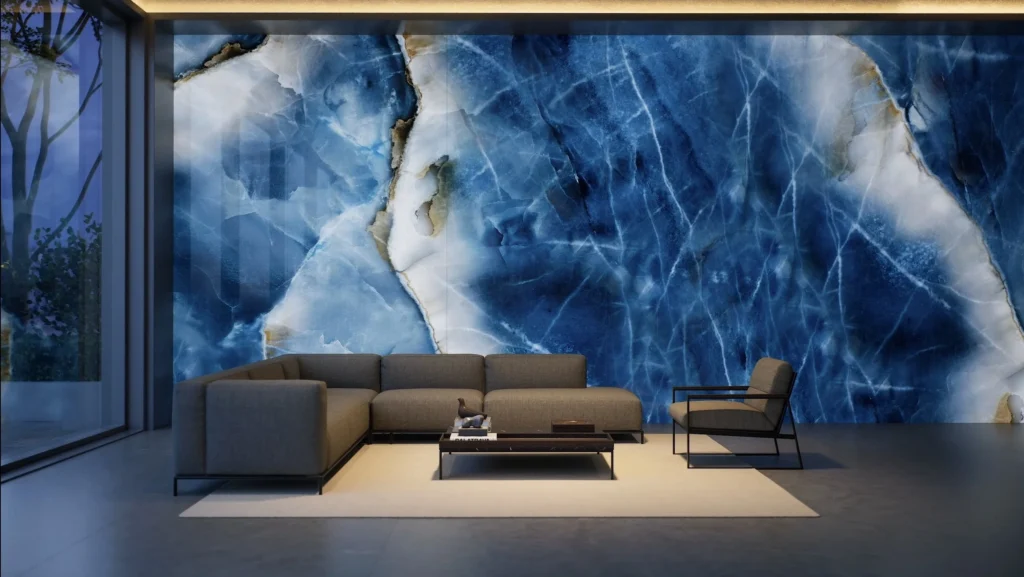
    Gemstone surfaces offer another way to introduce colour and texture into luxury interiors. Materials such as agate, quartz, and selected semi-precious stones can be used in decorative panels and architectural features.

    Backlit gemstone panels are particularly suitable for spaces where lighting plays an important design role. They can be considered for reception desks, bar fronts, feature walls, and selected hospitality interiors.

    Blue agate can introduce cool tones, while other gemstone varieties offer earthy, golden, green, or contrasting colours. The choice depends on the surrounding furniture, wall colours, and overall design scheme.

    These panels need careful planning because the stone, backing, lighting, and installation must work together. Before finalising a design, ask about the material’s light transmission, maintenance requirements, and suitability for the intended application.

    4. Combine Different Natural Stones Thoughtfully

    Using marble, onyx, and gemstones in the same interior can create an interesting design, but balance is important. Too many competing patterns and colours may make a space feel crowded.

    One practical approach is to choose a primary material and use the others for selected details.

    For example, neutral marble flooring can be paired with a gemstone feature panel, while an onyx wall can be complemented by simpler stone surfaces and understated furniture.

    Natural stone combinations work well when their colours, finishes, and patterns complement each other. Matte surfaces can create a softer appearance, while polished stone reflects more light.

    Designers should also consider the size of the room. Large, dramatic patterns may suit spacious living areas and hotel lobbies, whereas smaller spaces often benefit from lighter colours and carefully placed decorative elements.

    5. Use Natural Stone for Luxury Furniture and Tables
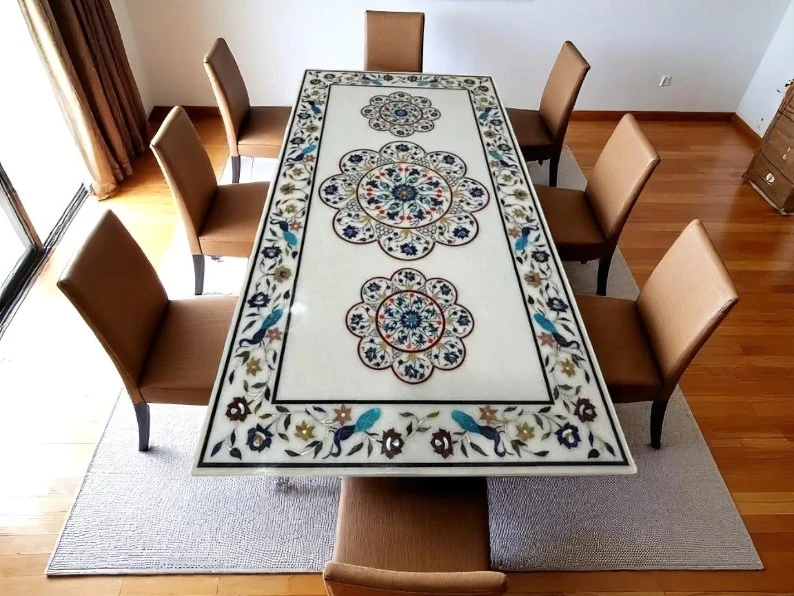
    Natural stone is not limited to walls and floors. It can also be used to create dining tables, coffee tables, console tables, and reception furniture.

    A marble tabletop can add a clean, refined appearance, while a richly patterned stone can become the main feature of a room. Onyx and selected gemstones can be used for decorative furniture elements where their colours and patterns remain visible.

    When choosing stone furniture, consider the weight, dimensions, edge finishing, support structure, and intended use. Marble and onyx can be sensitive to acidic substances, while certain finishes require more care than others.

    For dining and coffee tables, ask about sealing, cleaning methods, and protection against stains and scratches. The right material and proper maintenance can help preserve the surface’s appearance.

    6. Marble Inlay and Mother of Pearl for Decorative Details

    For interiors that need more intricate detailing, marble inlay and mother of pearl can add a different visual character.

    Marble inlay uses precisely shaped pieces of stone fitted into a base material to create detailed patterns. It is suitable for decorative flooring, wall panels, medallions, and bespoke furniture.

    Mother of pearl has a natural iridescent finish that reflects light differently as the viewing angle changes. It can be incorporated into decorative panels, furniture surfaces, and selected interior accents.

    These materials work best when their patterns and finishes complement the surrounding stone rather than compete with it.

    Explore mother of pearl inlay designs for ideas that combine shell fragments with stone and decorative surfaces.

    7. How to Choose the Right Luxury Natural Stone

    Before selecting a material, consider where it will be installed, how frequently the surface will be used, and the visual effect you want to achieve.

    Keep these points in mind:

    • Purpose: Choose stone according to whether it will be used for flooring, walls, furniture, or decorative panels.
    • Appearance: Review the colour, veining, texture, and natural variation of the actual slab.
    • Durability: Consider expected wear, moisture exposure, staining, and the maintenance required.
    • Lighting: Check how natural and artificial light affect the stone’s colour and appearance.
    • Installation: Confirm the stone’s weight, thickness, support requirements, and suitability for the application.
    • Maintenance: Ask about suitable cleaning products, sealing, and long-term care.

    For large projects, reviewing the actual slabs and approving the design before fabrication can help prevent unwanted differences in the finished installation.

    Why Consider AQJ EXPO for Natural Stone Design?

    AQJ EXPO works with natural stone, decorative inlay, architectural panels, and gemstone surfaces for residential, hospitality, and commercial applications. Its collections include bespoke inlay flooring, designer stone surfaces, architectural mosaic panels, and backlit gemstone panels.

    Architects, interior designers, and project buyers can review its natural stone collectionsto find ideas for decorative surfaces and custom architectural applications.

    The right choice depends on the project’s design, material requirements, dimensions, finishing, and installation conditions. Discussing these details before production can help ensure that the selected surface suits the intended space.
    Conclusion

    Luxury natural stone surfaces offer many possibilities for creating distinctive interiors. Marble provides a timeless foundation, onyx can add depth and visual interest, and gemstone panels can introduce colour and lighting effects.

    Marble inlay and mother of pearl offer further options for detailed decorative work.

    Rather than using every material throughout a space, focus on selecting stones that complement the architecture and intended use of the room.

    With thoughtful material selection, suitable installation, and regular maintenance, natural stone can remain an important part of an interior for years to come.

    Frequently Asked Questions

    1. Which natural stones are popular for luxury interior design?

    Marble, onyx, granite, quartzite, and selected semi-precious stones are used in luxury interiors. The best option depends on the application, appearance, durability, and maintenance requirements.

    2. Where can onyx stone be used in interiors?

    Onyx can be used for feature walls, decorative panels, reception areas, furniture, and selected backlit installations. Its suitability depends on the specific variety and installation conditions.

    3. What are backlit gemstone panels?

    Backlit gemstone panels combine suitable translucent stone with a lighting system behind the surface. They are used to create illuminated decorative features in residential and commercial interiors.

    4. Is marble inlay suitable for modern homes?

    Yes. Marble inlay can be designed with contemporary geometric patterns, subtle borders, or custom motifs for flooring, wall panels, and furniture.

    5. How should luxury natural stone surfaces be maintained?

    Use cleaning products suitable for the specific stone, wipe spills promptly, and avoid acidic cleaners on acid-sensitive materials such as marble and onyx. Follow the supplier’s advice on sealing and maintenance.
  • Lapis Lazuli, Malachite & Mother of Pearl: A Guide to Semi-Precious Stone Inlay in Interiors

    Lapis Lazuli, Malachite & Mother of Pearl: A Guide to Semi-Precious Stone Inlay in Interiors

    Luxury interiors often stand out because of the materials used in their details. A marble floor, decorative wall panel or custom tabletop can look even more distinctive when it features natural stones with different colours and textures.

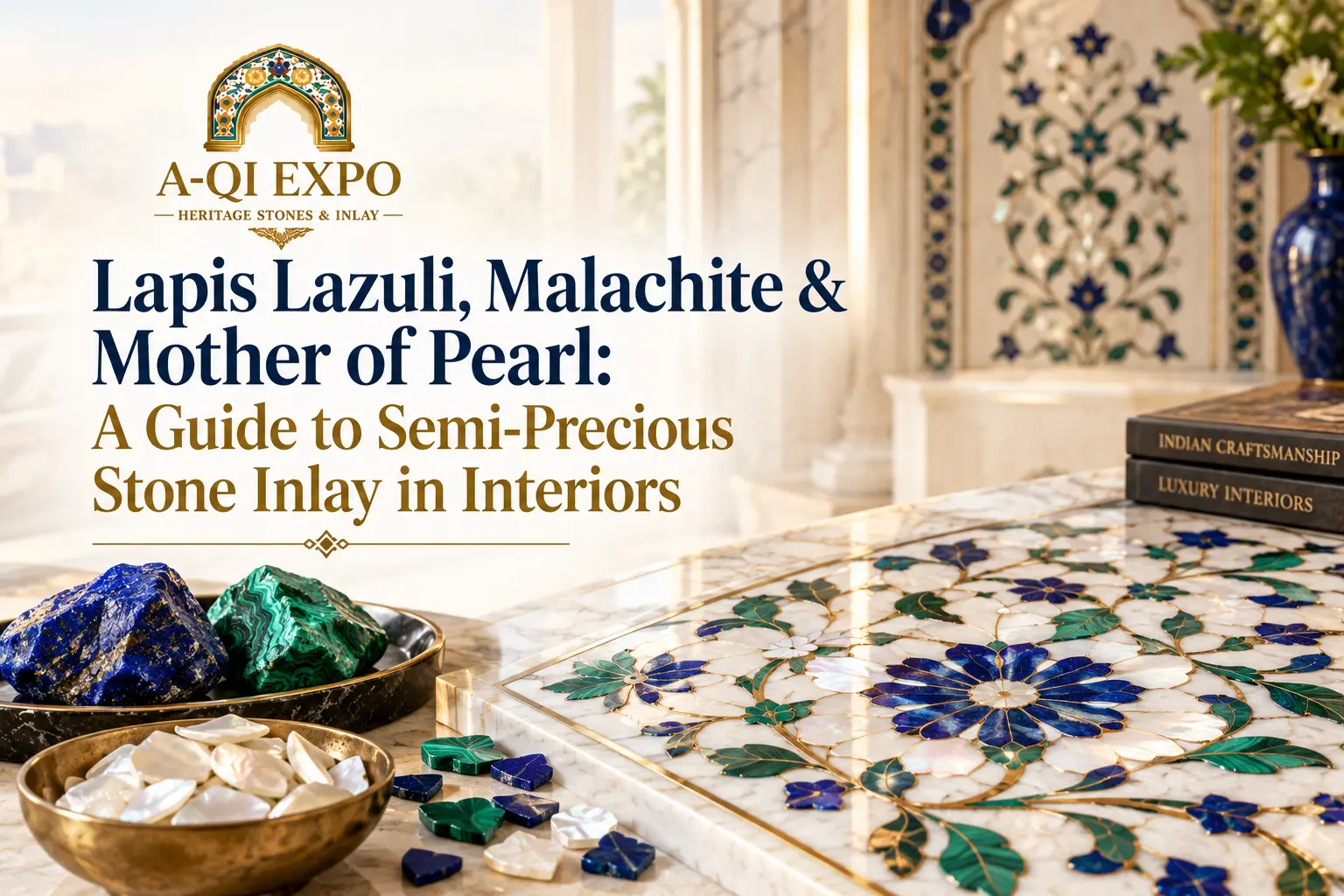
    Lapis lazuli, malachite and mother of pearl are three materials that bring this character to marble inlay designs.

    These materials are used in traditional stone craftsmanship as well as contemporary interior projects. Their natural patterns and colours allow artisans to create floral motifs, geometric designs and decorative compositions that would be difficult to reproduce with ordinary surface finishes.

    For architects, interior designers and homeowners, understanding how these stones look, where they work best and how to maintain them can help when planning a custom stone inlay project.

    What Is Semi-Precious Stone Inlay?

    Semi-precious stone inlay is a decorative technique in which carefully shaped pieces of stone are fitted into a base material, commonly marble, to create a pattern or image. The stones become part of the design rather than simply sitting on the surface.

    The technique is associated with Pietra Dura, known in India as Parchin Kari. It is recognised for detailed floral patterns, natural stone colours and precise workmanship. The marble inlay work seen at the Taj Mahal is one of India’s best-known examples of this tradition.

    Today, semi-precious stone inlay is used in decorative flooring, wall panels, tabletops, furniture and other architectural features. The final result depends on the stone selection, design, accuracy of the fitting and quality of the finish.

    1. Lapis Lazuli: Deep Blue for Distinctive Interiors

    Lapis lazuli is known for its rich blue colour, which can range from deep royal blue to slightly lighter shades. Natural pieces may also contain white calcite markings or small golden-looking pyrite inclusions.

    This distinctive appearance makes lapis lazuli a popular choice for decorative stone inlay, especially when a design needs a strong contrast against white marble.

    Where Can Lapis Lazuli Inlay Be Used?

    Lapis lazuli can work well in:

    • Decorative marble wall panels
    • Floral and geometric inlay designs
    • Luxury tabletops and furniture
    • Feature flooring medallions
    • Bespoke decorative objects

    In a floral pattern, blue stone can be used for petals or other details against a lighter marble background. In a geometric design, it can introduce contrast without requiring multiple colours.

    Because lapis lazuli is relatively soft compared with many common flooring stones, its suitability should be assessed carefully for high-traffic areas. Decorative panels and furniture details may offer more practical applications, depending on the design and finish.

    2. Malachite: Natural Green Patterns

    Malachite is recognised by its rich green colour and distinctive bands. These bands create patterns that vary from one piece to another, giving the stone a strong visual identity.

    Unlike a uniformly coloured material, malachite can display several shades of green within the same piece. Artisans can use these variations to add depth to decorative motifs and create contrast against white, beige or dark marble.

    Where Does Malachite Stone Inlay Work Best?

    Malachite is suitable for selected applications such as:

    • Decorative wall panels
    • Custom tabletops and furniture
    • Floral stone inlay
    • Decorative borders and motifs
    • Bespoke interior features

    Its natural banding can be particularly effective in botanical designs, where different shades of green help create the appearance of leaves and foliage.

    Malachite requires careful handling because it is softer than many other decorative stones. For this reason, the intended application, surface protection and maintenance requirements should be discussed with the manufacturer before it is specified for flooring or other frequently used surfaces.

    3. Mother of Pearl: A Subtle, Iridescent Finish

    Mother of pearl is the inner lining of certain mollusc shells. Unlike lapis lazuli and malachite, it is not a mineral stone. It is included in decorative inlay because of its natural iridescence and long-standing use in ornamental craftsmanship.

    Its surface can reflect soft shades of white, cream, pink and other colours depending on the material and lighting. This gives mother of pearl a different appearance from opaque coloured stones.

    Where Can Mother of Pearl Inlay Be Used?

    Mother of pearl is often used for:

    • Fine floral and botanical motifs
    • Decorative wall panels
    • Tabletops and furniture details
    • Small geometric patterns
    • Luxury decorative objects

    When paired with dark marble, its lighter surface can create a striking contrast. Against white marble, it can produce a more subtle effect that becomes noticeable as the light changes.

    Mother of pearl is relatively delicate and may be sensitive to scratching, harsh chemicals and unsuitable cleaning methods. It is generally better suited to carefully selected decorative applications than to surfaces exposed to heavy wear.

    Lapis Lazuli vs Malachite vs Mother of Pearl

    Each material offers a different visual effect. The best choice depends on the intended design and how the finished surface will be used.

    MaterialAppearanceBest design useKey consideration
    Lapis lazuliDeep blue with natural variationsContrasting motifs and decorative panelsAssess suitability for high-wear surfaces
    MalachiteRich green with natural bandsFloral patterns and statement detailsRequires careful handling
    Mother of pearlIridescent white and soft colour reflectionsFine decorative details and contrasting designsProtect from scratches and harsh cleaners

    These materials can also be combined in a single design. For example, lapis lazuli can provide blue accents, malachite can form green foliage, and mother of pearl can add light-catching details. The overall balance depends on the pattern, marble background and proportions of each material.

    How Semi-Precious Stone Inlay Is Made

    Creating a detailed stone inlay design involves several stages, and each one affects the final quality.

    Design planning: The pattern is developed according to the dimensions, material choices and intended application. Custom projects may require detailed drawings before fabrication begins.

    Stone selection: Artisans select pieces with suitable colours, markings and thicknesses. Natural variations are considered part of the design.

    Cutting and shaping: Individual stones are cut to fit their assigned positions. Curves and small details require particular care.

    Fitting and setting: The shaped pieces are fitted into the prepared marble surface and secured using suitable materials.

    Polishing and finishing: The completed surface is finished to create a consistent appearance. The appropriate process depends on the stones and the intended use.

    Good workmanship is visible in the accuracy of the patterns, neat joints and even finish. For custom projects, reviewing a sample or detailed photographs before approving the full order can help establish expectations.

    How to Use Stone Inlay in Modern Luxury Interiors

    Semi-precious stone inlay does not have to be limited to traditional designs. When used selectively, it can complement contemporary interiors as well.

    Feature Walls

    A decorative wall panel can bring colour and texture into a living room, entrance or hotel reception area. Lapis lazuli and malachite can introduce stronger colours, while mother of pearl can create a softer decorative effect.

    Flooring and Entrance Medallions

    A marble inlay medallion can act as a focal point in a spacious entrance or formal living area. The design should be planned around the floor dimensions, furniture layout and expected foot traffic.

    Softer or more delicate materials require particular care when specified for flooring. Material suitability and installation details should be confirmed before finalising the design.

    Custom Tabletops and Furniture

    Tabletops, consoles and decorative furniture offer opportunities to use intricate patterns on a smaller scale. These applications can showcase the natural details of the stones without covering a large surface.

    Bespoke Architectural Details

    Inlay can also be incorporated into selected panels, borders and decorative features. A restrained pattern may work better than a complex design when the surrounding interior already contains strong colours or textures.

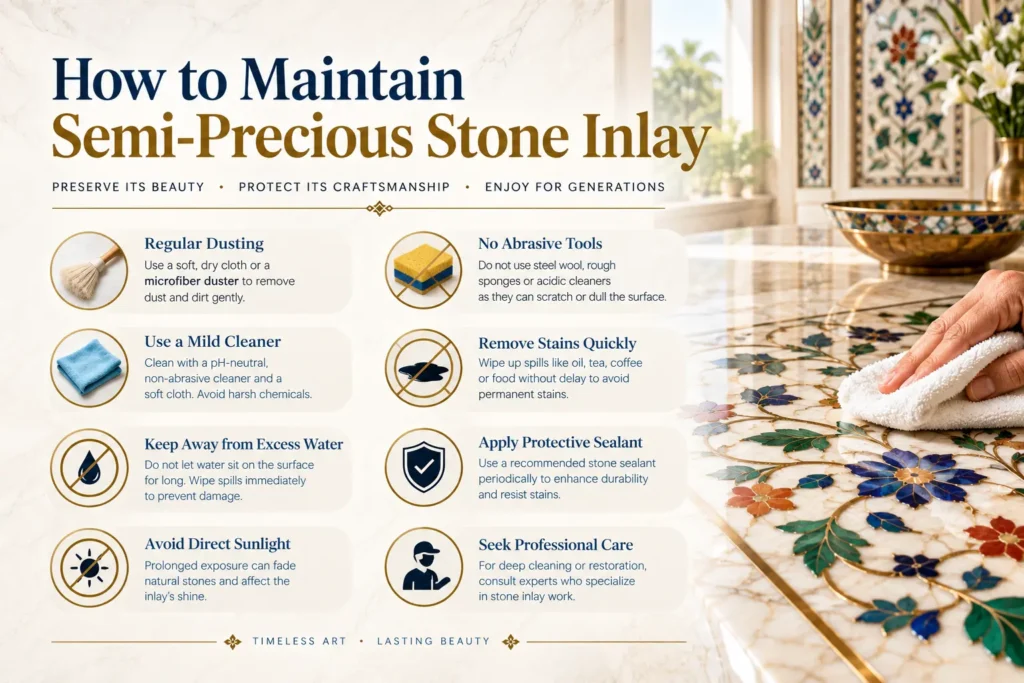
    How to Maintain Semi-Precious Stone Inlay

    The right maintenance routine depends on the materials used. Lapis lazuli, malachite, marble and mother of pearl do not all respond in the same way to cleaning products or physical wear.

    Follow these basic precautions:

    • Use a soft cloth and a cleaner approved for the specific materials.
    • Avoid acidic cleaners, abrasive pads and unapproved chemicals.
    • Wipe spills promptly and avoid prolonged exposure to moisture where the material or installation is sensitive.
    • Protect tabletops and other frequently used surfaces from sharp objects and direct impact.
    • Ask the supplier whether a particular sealer or protective treatment is appropriate.

    For larger installations, obtain care instructions from the manufacturer or a natural stone specialist. Proper installation and suitable maintenance can help preserve the appearance of the finished work.

    Choosing the Right Stone Inlay for Your Project

    Before commissioning a custom design, consider the colours already present in the interior, the amount of detail you want and the location of the finished surface. Request samples where possible, and check how the stones look under the lighting planned for the space.

    Also discuss material authenticity, dimensions, finishing, installation and maintenance with the supplier. These details matter just as much as the initial design, especially for large panels or bespoke architectural work.

    At AQJ EXPO, exploring natural stone surfaces and bespoke inlay options can help you assess possibilities for your interior project. The right combination of stone, pattern and finish should complement the space rather than compete with it.

    Bring Natural Stone Art into Your Interior

    Lapis lazuli, malachite and mother of pearl each offer a distinct way to introduce colour and natural variation into marble inlay.

    From deep blue accents and green botanical patterns to subtle iridescent details, these materials give designers several ways to create individual surfaces.

    The most successful projects begin with a clear design, suitable materials and careful attention to craftsmanship.

    Whether you are planning a decorative panel, a custom tabletop or an architectural feature, AQJ EXPO can be a starting point for exploring stone collections and discussing your requirements.

    Read More: How to Choose a Marble Inlay Manufacturer & Exporter in India: A 10-Point Checklist

    Frequently Asked Questions

    What is semi-precious stone inlay?

    It is a decorative technique in which shaped pieces of natural stone are fitted into a base, commonly marble, to create patterns or images.

    What is the difference between lapis lazuli and malachite?

    Lapis lazuli is known for its deep blue colour, while malachite is recognised by its rich green colour and natural bands. Both can be used in decorative stone inlay.

    Is mother of pearl a natural stone?

    No. Mother of pearl is a shell material rather than a mineral stone. It is used in decorative inlay for its iridescent appearance.

    Can semi-precious stone inlay be used for flooring?

    Yes, but the materials must be selected carefully. Some stones are softer or more delicate than others, so suitability depends on the location, foot traffic, installation and maintenance requirements.

    How do you clean marble inlay with semi-precious stones?

    Use cleaning products approved for the materials in the design. Avoid acidic cleaners and abrasive tools, and follow the manufacturer’s care instructions.

  • How to Choose a Marble Inlay Manufacturer & Exporter in India: A 10-Point Checklist

    How to Choose a Marble Inlay Manufacturer & Exporter in India: A 10-Point Checklist

    Marble inlay combines natural stone with detailed patterns to create beautiful surfaces for luxury interiors. From decorative flooring and wall panels to tabletops and custom stone features, handcrafted marble inlay adds character to homes, hotels and commercial spaces.

    India has a rich history of stone craftsmanship, with Agra particularly known for traditional Pietra Dura work. Today, marble inlay products are used in both traditional and contemporary interiors. However, choosing the right manufacturer takes more than comparing prices and product photographs.

    Whether you are an architect, interior designer, importer or property owner, these ten checks will help you choose a marble inlay manufacturer and exporter in India that matches your project’s requirements.

    1. Review the Manufacturer’s Previous Work

    Start by checking the manufacturer’s portfolio. Look for experience with products similar to yours, such as marble flooring, wall panels, decorative tabletops or inlay medallions.

    Examine completed projects closely. The stone pieces should fit neatly, the patterns should look consistent, and the surface should have a clean finish. Ask for detailed photographs or project references if the available images do not show enough detail.

    For buyers considering AQJ EXPO, reviewing the available stone collections and product details is a useful starting point when assessing suitability for an architectural project.

    2. Check the Quality of Marble and Inlay Stones

    The finished product depends heavily on the materials used. Ask the supplier about the marble variety, inlay stones, slab thickness and available finishes.

    Depending on the design, marble inlay may feature coloured natural stones or semi-precious stones such as agate, malachite and lapis lazuli.

    Before placing an order, check the colour, natural markings and surface condition. For larger projects, request samples so you can assess the material in person. Natural stone varies from piece to piece, so confirm how much variation to expect across the finished order.

    3. Examine the Precision of the Inlay Work

    Good marble inlay work requires accurate cutting and careful fitting. Uneven joints, poorly aligned patterns and inconsistent polishing can affect the final appearance.

    Check how the coloured stones meet the marble surface. For flooring, examine the alignment of borders and repeated patterns. For decorative panels, look at the placement of individual pieces and the balance of the design.

    Ask the manufacturer about its quality inspection process. This can help you understand how products are checked before dispatch and reduce the risk of receiving work that does not match the agreed specifications.

    4. Ask About Custom Marble Inlay Designs

    Every project has different dimensions, colours and design requirements. A manufacturer offering custom marble inlay work can adapt patterns to suit the space instead of limiting you to standard designs.

    Ask whether the supplier can work from architectural drawings, reference images or CAD files. Discuss options for flooring medallions, floral patterns, geometric designs, wall panels and decorative surfaces.

    Before production begins, approve the final design, measurements, materials and finish in writing. This helps prevent misunderstandings and unnecessary changes later.

    Read Also: Rajasthan’s Master Stone Artisans: The Art Behind Luxury Marble Inlay

    5. Understand the Manufacturing Process

    Before confirming a large order, find out how the products are made. Ask whether the company manufactures in-house, works with artisan workshops or outsources certain production stages.

    If possible, arrange a factory visit or request a video walkthrough. This can help you understand how cutting, stone fitting, polishing and quality checks are managed.

    Also confirm that the manufacturer can handle your order quantity within the required timeline. A supplier producing individual decorative pieces may need a different schedule for a large flooring or wall cladding project.

    6. Verify Export Experience

    If you are purchasing from overseas, choose a marble inlay exporter that understands international shipping requirements.

    Ask about previous export experience, destination markets and the documents supplied with orders. Depending on the shipment, these may include a commercial invoice, packing list and shipping documentation. Indian exporters generally require an Importer Exporter Code (IEC), subject to applicable exemptions.

    Requirements vary by destination and product, so confirm the details with the exporter and your customs professional before finalising the order.

    7. Check Packaging and Shipping Arrangements

    Marble products are heavy, and intricate inlay designs need proper protection during transport. Poor packaging can lead to broken edges, cracks or surface damage.

    Ask how the supplier packs products according to their size and shape. Protective cushioning, reinforced cartons and suitable wooden crates may be needed depending on the product and shipping method.

    Also confirm who will arrange freight, insurance and customs clearance. For international orders, request photographs of the packed goods before dispatch and clarify how transit damage will be handled.

    8. Compare the Full Cost, Not Just the Material Price

    A low quotation does not always mean a lower overall cost. Differences in material quality, design complexity, finishing and packaging can affect the final price.

    Request an itemised quotation covering:

    • Marble and inlay materials
    • Custom design and fabrication
    • Polishing and finishing
    • Packaging and transportation
    • Installation, if included
    • Production time and payment terms

    For bulk orders, confirm the minimum order quantity and any additional charges for samples or design changes. Comparing quotations with matching specifications will give you a clearer picture of value.

    9. Request Samples and Clear Quality Terms

    Before approving a large order, request a sample or prototype where practical. Check whether it matches the agreed colour, dimensions, pattern and finish.

    Discuss what happens if delivered products do not match the approved specifications or arrive damaged. Confirm the inspection process, reporting deadlines and responsibility for resolving issues.

    For custom marble inlay products, written agreements and approved drawings are particularly important because even small design differences can affect the overall result.

    10. Check Communication and Business Reliability

    A reliable supplier should answer questions clearly and keep you informed about production and delivery. Review its website, product range, customer feedback and business details.

    Be cautious if a supplier avoids sharing material specifications, provides unclear pricing or promises delivery without confirming the production schedule.

    For architects, importers and businesses placing repeat orders, consistent communication and quality control can make a real difference. Choose a manufacturer whose process suits your project, not just your initial budget.

    Common Mistakes to Avoid When Choosing a Marble Inlay Supplier

    Avoid selecting a supplier based only on photographs or the lowest quotation. Check the actual material specifications, confirm dimensions and finishes, and understand the shipping terms before making payment.

    For custom orders, approve the design in writing. For export orders, account for packaging, freight, insurance and destination-country requirements. These steps can help prevent unexpected costs and delays.

    Find the Right Marble Inlay Partner for Your Project

    Choosing a marble inlay manufacturer and exporter in India comes down to craftsmanship, material quality, customisation and dependable delivery. Taking time to assess these factors can help you find a supplier that meets your design and project requirements.

    AQJ EXPO offers a starting point for exploring natural stone surfaces and bespoke inlay options for architectural projects. 

    Frequently Asked Questions

    How do I choose a marble inlay manufacturer in India?

    Review previous projects, inspect material quality, check customisation options and ask about quality control. For export orders, confirm documentation, packaging and delivery arrangements.

    Which Indian city is known for traditional marble inlay work?

    Agra is particularly associated with Pietra Dura, also known as Parchin Kari. When choosing a supplier, evaluate its actual expertise and completed work rather than relying on location alone.

    Can marble inlay designs be customised?

    Yes. Many suppliers offer custom patterns, sizes, colours and finishes. Share your drawings or references and approve the final specifications before production.

    What should I check before importing marble inlay products?

    Confirm supplier credentials, material specifications, sample quality, export documents, packaging, shipping costs and delivery terms before placing an order.

    How can I check the quality of marble inlay work?

    Look for neatly fitted stone pieces, consistent polishing, accurate patterns and materials that match the approved specifications. Request a sample whenever possible.

  • Makrana vs Italian Marble: Which Is Better for Luxury Floors and Wall Cladding?

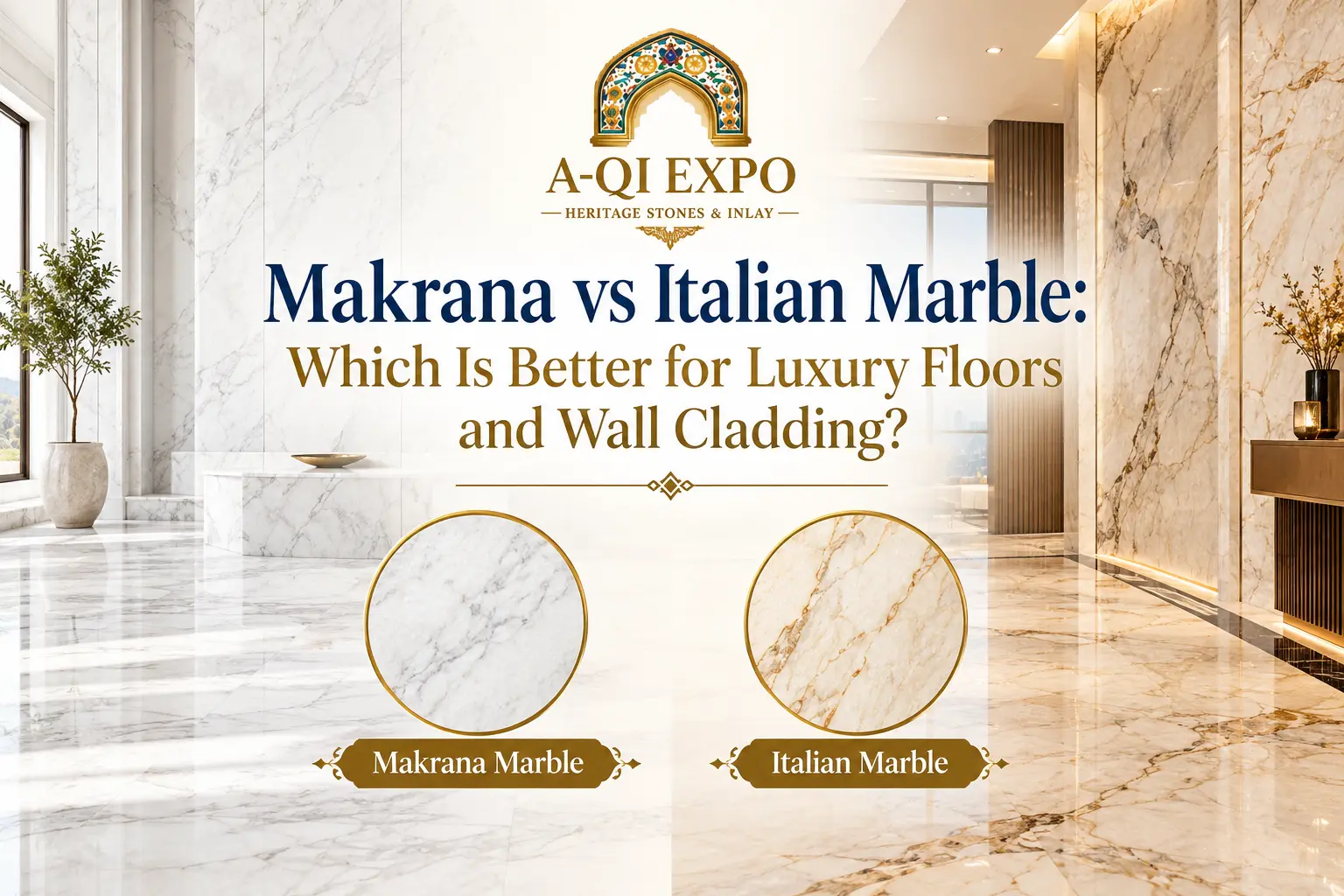
    Makrana vs Italian Marble: Which Is Better for Luxury Floors and Wall Cladding?

    Choosing marble for a luxury interior involves more than selecting a beautiful colour. The stone must suit the design, intended use, maintenance expectations and overall project budget. Among the popular choices for premium properties, Makrana marble and Italian marble stand out for their distinctive appearance and natural beauty.

    Makrana marble, sourced from Rajasthan, India, is known for its association with historic architecture, classic white surfaces and traditional craftsmanship. Italian marble, including varieties such as Carrara, Calacatta and Statuario, is valued for its refined appearance, distinctive veining and use in contemporary luxury interiors.

    But which is better for luxury marble flooring and wall cladding? The answer depends on what matters most to your project. Makrana can be an excellent choice for timeless interiors and long-term use, while selected Italian varieties can create striking feature floors and statement walls. Understanding their differences will help you choose the right stone for your space.

    What Is Makrana Marble?

    Makrana marble is a natural stone quarried in and around Makrana in Rajasthan. It has a long history in Indian architecture and is famously associated with the Taj Mahal. Its heritage, natural white tones and ability to take a polished finish have made it a recognised choice for residential, religious and architectural projects.

    Depending on the particular variety, Makrana marble can feature a bright white background, subtle natural markings or more noticeable patterns. This makes it suitable for interiors ranging from traditional homes to contemporary spaces that favour clean, understated surfaces.

    Key Features of Makrana Marble

    • Natural white appearance: Suitable for classic, minimal and traditional interiors.
    • Long-standing reputation: Its use in historic architecture adds cultural significance to the material.
    • Durability: Many Makrana varieties are valued for their strength and suitability for regular use when correctly installed.
    • Polished finish: The stone can be finished to create a smooth, reflective surface.
    • Domestic sourcing: As an Indian marble, it may be easier to source and replenish than a specific imported variety, depending on local availability.

    Makrana marble is worth considering for living rooms, entrance areas, staircases, prayer rooms and selected wall applications. The exact grade, slab quality and finish should be assessed before choosing it for a particular project.

    What Is Italian Marble?

    Italian marble refers to natural marble varieties quarried in Italy. Different varieties have their own colours, vein patterns and surface characteristics, so the term does not describe one uniform material.

    Carrara marble is known for its white to grey background and softer grey veining. Statuario often features a brighter white appearance with prominent grey patterns, while Calacatta varieties can display bold grey or golden veins against a light background.

    These visual differences make Italian marble popular in projects where the stone itself is an important part of the interior design.

    Key Features of Italian Marble

    • Distinctive veining: Natural patterns can create a strong visual feature.
    • Variety of appearances: Different types offer white, grey, beige and other colour combinations.
    • Premium interior appeal: Selected varieties suit luxury residences, hotels and commercial interiors.
    • Large-format design possibilities: Suitable slabs can be arranged to create continuous-looking patterns and book-matched wall panels.
    • Multiple finishes: Depending on the stone and application, polished, honed and other finishes may be available.

    Italian marble can work particularly well in feature walls, formal living rooms, hotel lobbies and other areas where colour, pattern and visual impact are priorities.

    Makrana vs Italian Marble: Quick Comparison

    FeatureMakrana MarbleItalian Marble
    OriginRajasthan, IndiaItaly, depending on the variety
    AppearanceOften classic white with natural variationsWhite, grey, beige and distinctive veining
    Design styleTimeless, traditional and contemporaryModern, classic and statement interiors
    DurabilityMany varieties are valued for strengthPerformance varies by variety
    FlooringSuitable for residential and selected commercial floorsSuitable for luxury floors when the variety matches the application
    Wall claddingWorks for clean, elegant and decorative wallsPopular for feature walls and book-matched designs
    MaintenanceRequires appropriate marble careRequires appropriate marble care
    Cost factorsGrade, colour, thickness and finishVariety, origin, slab quality, import and availability
    Best design advantageClassic appearance and heritageDistinctive patterns and design variety

    This comparison is a general starting point. Actual performance and appearance depend on the specific stone, its quality, the installation method and the conditions in which it will be used.

    Read Also : Rajasthan’s Master Stone Artisans: The Art Behind Luxury Marble Inlay

    Which Marble Is Better for Luxury Flooring?

    Both Makrana and Italian marble can be used for luxury flooring. The better option depends on the appearance you want, how frequently the floor will be used and how much maintenance you are prepared to undertake.

    Makrana Marble for Flooring

    Makrana marble is a strong option for homeowners who prefer a classic white floor with a relatively understated appearance. Its natural character can complement traditional furniture, wooden accents, decorative borders and contemporary interiors.

    It can be considered for living rooms, bedrooms, entrance halls and other indoor spaces. Its reputation for durability also makes it worth evaluating for areas that experience regular foot traffic.

    However, the quality of individual slabs matters. Check for cracks, filled areas, uneven colour and other natural characteristics before purchasing. Professional installation and suitable finishing are essential to achieving a consistent result.

    Italian Marble for Flooring

    Italian marble is often selected when the floor is intended to become a central design feature. Depending on the variety, its natural veins can introduce movement, contrast and visual depth into a room.

    Carrara can suit interiors that call for subtle patterns, while Statuario and Calacatta varieties may be better suited to projects seeking more prominent veining. Large slabs can also create a more continuous appearance when the pattern and dimensions are planned carefully.

    Italian marble is not automatically more durable or better suited to every floor. Some varieties are more sensitive to scratches, staining or surface etching than others. The specific material should be assessed for the expected foot traffic, cleaning routine and installation conditions.

    Flooring recommendation: Consider Makrana for a timeless white aesthetic and a practical long-term flooring choice. Choose Italian marble when a particular colour, vein pattern or slab arrangement is central to the design.

    Makrana vs Italian Marble for Wall Cladding

    Wall cladding offers different opportunities from flooring because the surface generally experiences less direct wear from foot traffic. This allows greater emphasis on patterns, proportions and decorative impact.

    Makrana Marble Wall Cladding

    Makrana marble can create a clean and elegant backdrop for living rooms, entrance walls, staircases and selected feature areas. Its white appearance can complement wood, metal, glass and other interior materials.

    It is suitable for designs where the aim is to create a bright stone surface without making the wall visually busy. Depending on the selected variety, decorative borders or contrasting stone details can also be incorporated.

    The wall structure, slab weight, fixing method and moisture conditions must be assessed by the project team before installation.

    Italian Marble Wall Cladding

    Italian marble can be particularly effective for statement walls. Strong natural veins can become part of the artwork, especially when slabs are positioned to follow a deliberate pattern.

    Book-matching is one popular approach. Two adjacent slabs are arranged so that their vein patterns mirror one another, producing a symmetrical design. This works well with selected Statuario and Calacatta slabs, although the result depends on the actual stone.

    Italian marble can be considered for reception areas, luxury living rooms, hotel interiors and feature walls behind selected furniture or architectural elements.

    Wall cladding recommendation: Makrana suits elegant, understated surfaces, while Italian marble may be preferable when the design requires bold natural patterns or a book-matched feature wall.

    Makrana vs Italian Marble: Which Is More Durable?

    Durability should be evaluated at the level of the actual stone rather than by origin alone. Makrana marble has a strong reputation for hardness and long-term use, but the quality of the slab, its natural features, thickness and installation still matter.

    Italian marble includes many different varieties with varying physical properties. Some may require more careful handling and maintenance, particularly in areas exposed to abrasive dirt, frequent use or spills.

    Both materials are natural marble and can be affected by acidic substances. Lemon juice, vinegar and certain household cleaners can damage the polished surface through etching. Scratches and staining can also occur if the stone is not maintained properly.

    For a flooring project, ask the supplier about the particular variety’s suitability for the intended use. For wall cladding, check the slab’s condition and confirm that the fixing system is appropriate for its weight and dimensions.

    Makrana Marble vs Italian Marble: Cost Factors

    The price difference between Makrana and Italian marble depends on the selected varieties and the supplier. Italian marble may carry additional costs associated with importing, transportation, handling and sourcing specific slabs. Premium Makrana varieties can also command higher prices based on their appearance and quality.

    Instead of comparing only the price per square foot, consider the total installed cost.

    Cost factorWhat to check
    Material priceVariety, grade, slab dimensions and quality
    TransportationDistance, handling and delivery arrangements
    WastageCutting requirements and pattern matching
    InstallationSkilled labour, adhesives and fixing systems
    FinishingGrinding, polishing and edge treatment
    MaintenanceSuitable cleaning products, sealing and future restoration

    Prices vary by location, supplier, slab quality and project specifications. Obtain current quotations for the exact materials being considered, and confirm whether the quote includes installation, polishing, taxes and delivery.

    For a fair comparison, request quotations for comparable slab thicknesses, finishes and quantities. A low material price may not represent the lowest overall project cost if the stone requires additional handling or more complex installation.

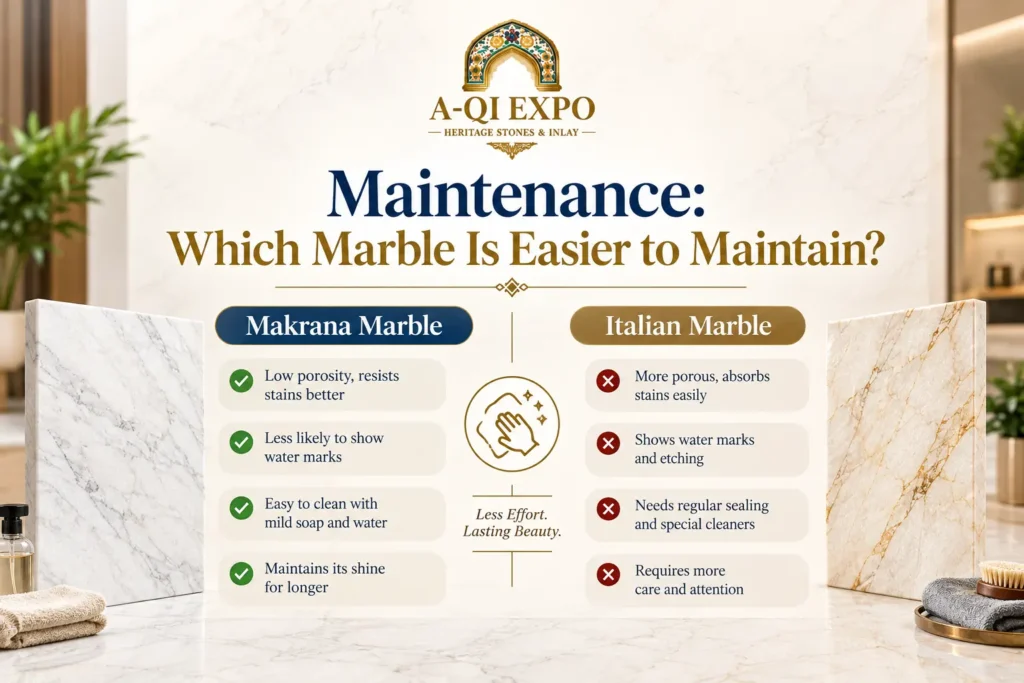
    Maintenance: Which Marble Is Easier to Maintain?

    Neither Makrana nor Italian marble should be treated as maintenance-free. Both benefit from regular cleaning and suitable surface care.

    Use a soft mop or cloth and a pH-neutral cleaner intended for natural stone. Avoid acidic cleaners, abrasive pads and unapproved chemicals. Clean spills promptly, especially those involving citrus, vinegar, coloured liquids or other substances that may stain or etch the surface.

    Sealing requirements depend on the particular stone, finish and application. A suitable impregnating sealer can help reduce liquid absorption, but it does not make marble completely stain-proof or prevent acid etching.

    For floors, use entrance mats where appropriate to limit abrasive dirt and grit. For wall cladding, follow the supplier’s instructions for cleaning and moisture management. Professional polishing or restoration may be needed over time, depending on wear and the desired appearance.

    The best way to manage maintenance is to obtain care instructions for the exact stone before installation rather than assuming all varieties require the same treatment.

    How to Choose the Right Marble for Your Interior

    Before making a final decision, consider these practical points:

    1. Decide on the design. Choose whether you prefer a classic white surface, subtle natural markings or prominent veins that make the stone a focal point.

    2. Match the stone to the application. Flooring and wall cladding have different performance and installation requirements. Confirm that the selected variety is suitable for the intended use.

    3. Inspect full slabs. Small samples may not show the full pattern or natural variation. Review the actual slabs under good lighting, especially for large floors and feature walls.

    4. Check installation requirements. Discuss slab dimensions, substrate preparation, joints, fixing systems and polishing with an experienced installer.

    5. Set a complete project budget. Include material, delivery, wastage, labour, finishing and future maintenance rather than comparing stone prices alone.

    6. Ask about sourcing and documentation. Confirm the stone’s identity, variety and origin with the supplier. This is particularly important when purchasing premium imported marble.

    Makrana or Italian Marble: The Final Verdict

    There is no single winner in the Makrana vs Italian marble comparison. Each material serves a different design purpose, and the right choice depends on the requirements of the project.

    Makrana marble is worth considering for homeowners who prefer a classic white appearance, value Indian stone craftsmanship and want a material suited to a range of traditional and contemporary interiors.

    Italian marble may be the better fit when the design calls for a particular vein pattern, a distinctive colour or a statement surface that draws attention. Selected varieties can create impressive flooring and wall cladding, provided their characteristics match the application and maintenance expectations.

    For luxury interiors, the most effective approach is to compare actual slabs, review installation requirements and assess the full project cost. Good material selection and professional workmanship are just as important as the marble’s origin.

    At AQJ EXPO, natural stone surfaces and bespoke inlay options can support architectural projects that require thoughtful material selection and distinctive detailing. Visit AQJ EXPO to view its collections and discuss stone requirements for your next project.

    Frequently Asked Questions

    Is Makrana marble better than Italian marble?

    Makrana marble can be a good choice for classic white interiors and projects that prioritise durability and domestic sourcing. Italian marble may be preferable when a specific colour or dramatic natural veining is important. The better option depends on the variety and intended application.

    Which marble is best for luxury flooring?

    Both can work well. Makrana is worth considering for timeless white floors, while selected Italian varieties suit statement flooring and distinctive vein patterns. Slab quality, installation and maintenance should influence the final choice.

    Is Italian marble suitable for wall cladding?

    Yes. Selected Italian marble varieties are used for feature walls, reception areas and decorative interior panels. The stone’s weight, slab dimensions and fixing system should be evaluated before installation.

    Is Makrana marble expensive?

    Makrana marble is available in different grades and varieties. Its price depends on colour, quality, dimensions, finish and supplier. Premium slabs may cost more than standard varieties.

    Does Italian marble require more maintenance?

    Maintenance requirements vary by variety and application. Some Italian marbles need careful attention to staining, scratches and etching. Like other natural marble, Makrana also requires appropriate cleaning and care.

    Can Makrana and Italian marble be used together?

    Yes. They can be combined in suitable projects to create contrast between a classic white background and more expressive patterns. The materials should be coordinated for colour, thickness, finish and installation requirements.